Inside Our Composites Manufacturing Process

Custom Carbon Fiber Parts Manufacturing

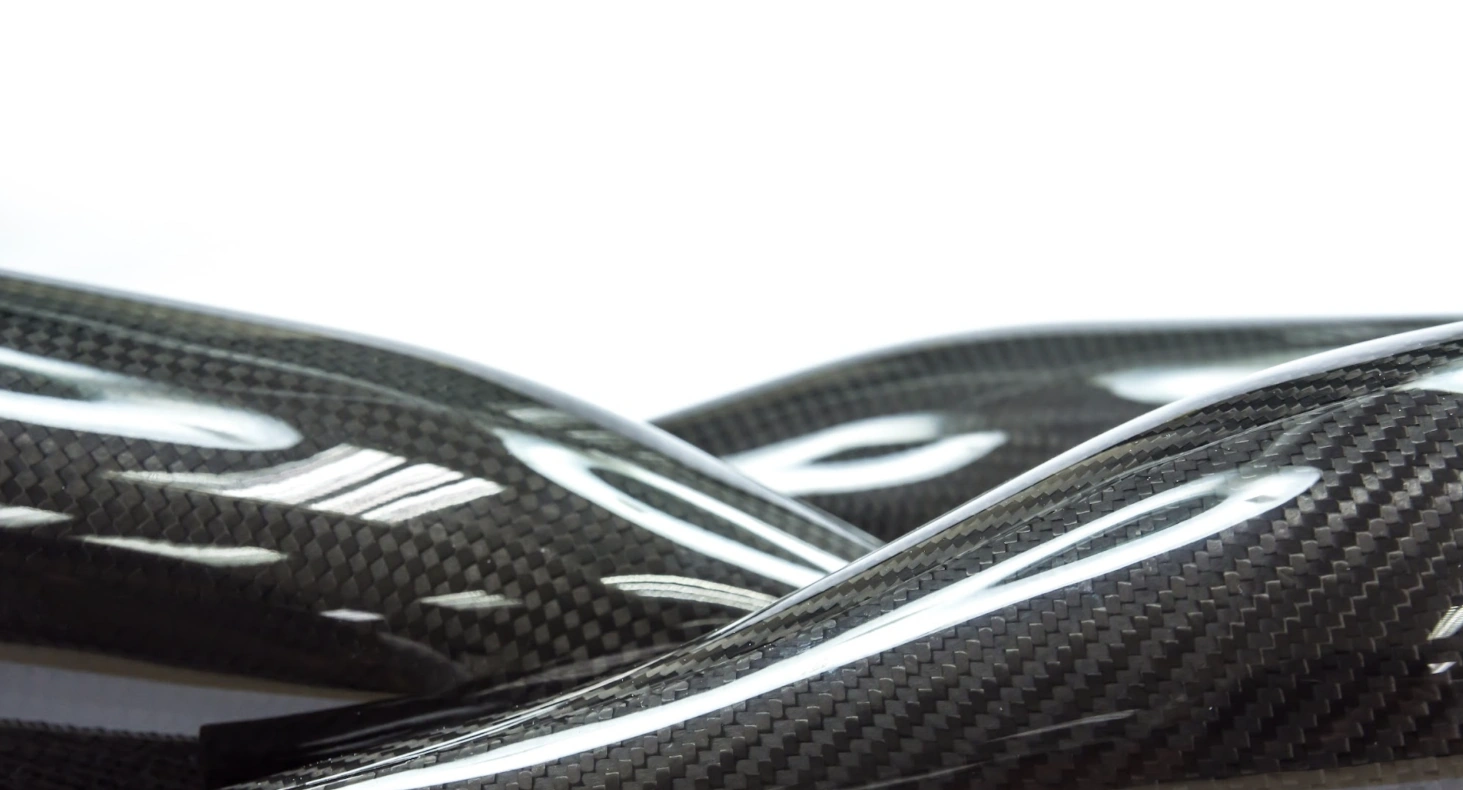
Lightweight components can be manufactured in many ways, but composite production has become one of our passions. Over the years, we have developed vacuum infusion and out-of-autoclave prepreg technologies to a high level of expertise. We participate worldwide in the contract manufacturing of carbon components, whether they are visible design parts or structural carbon elements that require precise engineering and mechanical dimensioning.

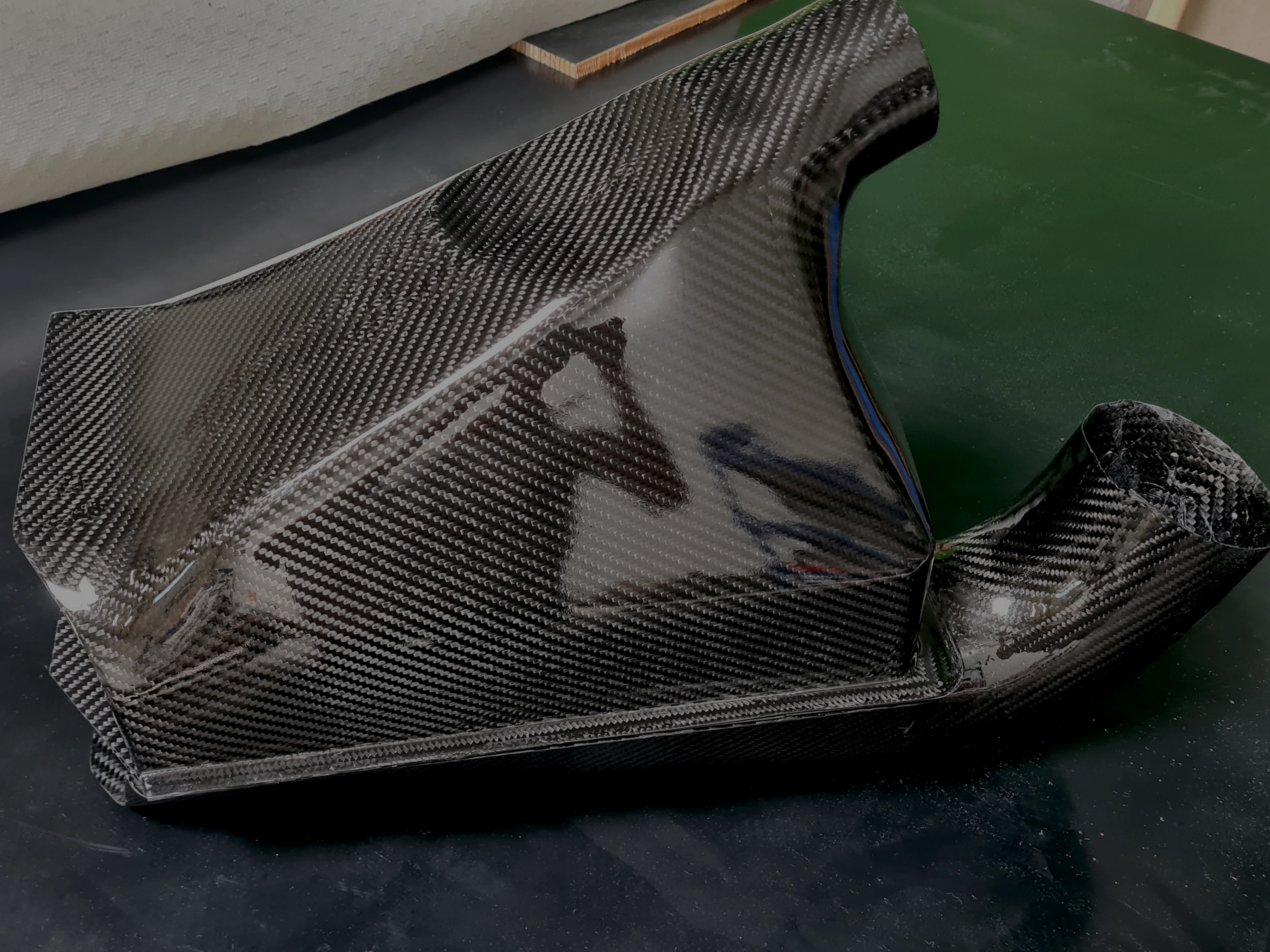
Glossy carbon fiber ducts made with out-of-autoclave prepreg
Serving clients worldwide

Carbon Fiber Manufacturing Technologies We Use

Scalable production solutions – from cost-effective to high-performance

We specialize in designing, engineering, and manufacturing composite components. From initial concept to finished product, we provide the full process in-house.
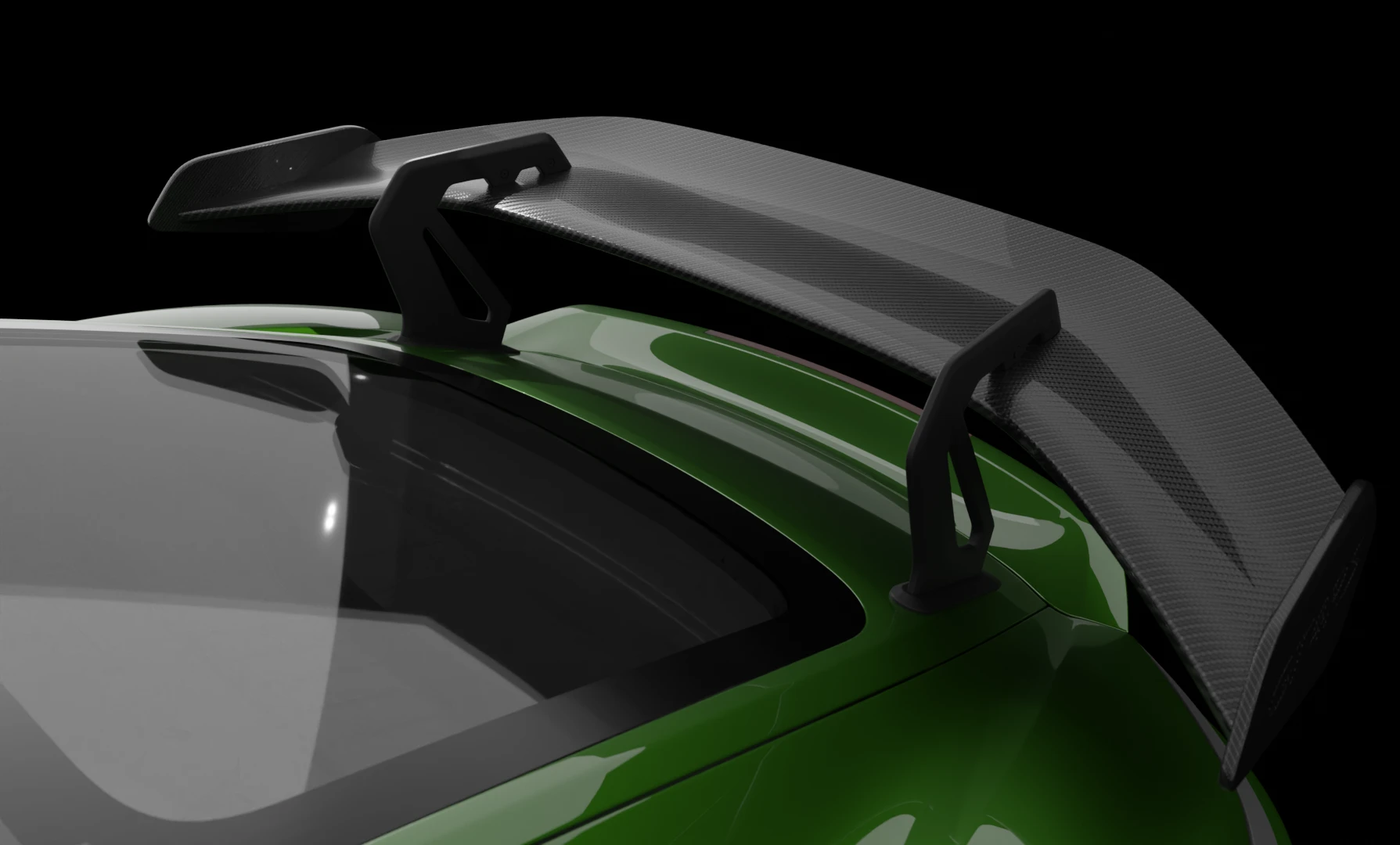
Carbon fiber spoiler made for racing application

Vacuum-Assisted Resin Infusion

The essence of the technology is that carbon fabric is placed into the mold and then enclosed in a vacuum bag, where it is compacted under 99% vacuum pressure. This process ensures the fibers are tightly pressed together, resulting in a lightweight component with minimal porosity.
Advantages of resin infusion
  • It is more cost-effective than prepreg, as it does not require heat-resistant molds
  • Cost-effective 3D-printed molds for prototyping and small-series production
  • Easier access to exotic materials such as Kevlar, Innegra, and Diolen
  • Co-infusion of sandwich materials in a single step for optimal structural integrity

Pre-impregnated carbon fiber

This is a higher-quality technology where woven carbon material, pre-impregnated with resin, is placed into the mold. Under vacuum, the resin system is activated by heat, and crosslinking occurs at elevated temperatures, producing a high-performance, fully cured component.
Pros and cons of  carbon prepreg
  • It enables the production of highly complex components
  • Higher heat resistance and 10% lighter components
  • Higher costs due to frozen storage requirements
Wide range of fiber reinforcement for various applications

Available Composite Materials

Carbon

Carbon fiber is our most frequently used material, offering an exceptional balance of low weight and high stiffness. It is ideal for lightweight, high-performance components and provides excellent stiffness, durability, and design flexibility. Available in 2x2 and 4x4 twill as well as plain weave and spread tow, in a wide range of areal weights.

Kevlar

Kevlar is an extremely strong and lightweight synthetic fiber, offering excellent impact and heat resistance, making it ideal for protective gear and composite structures.

Flax

Lightweight and sustainable natural fiber that offers good strength and stiffness. It also provides excellent vibration damping and is an eco-friendly alternative to synthetic fibers in high-performance materials.

Innegra

Innegra is a lightweight, high-strength fiber offering impact resistance, vibration damping, and improved signal transmission for composites.
Lighter, stiffer, and more cost-effective components

Composite sandwich structures

Composite sandwich structures offer an excellent combination of lightweight construction and high stiffness, making them ideal for aerospace, motorsport, and high-performance applications. They also provide improved impact resistance and vibration damping, contributing to longer-lasting, more reliable components. Overall, sandwich structures enable efficient, high-performance designs that meet demanding engineering requirements at lower cost.
Composite core material for resin infusion

Why use composites with core materials?

  • Faster layup times – reducing production time and accelerating project turnaround
  • Lighter components – lowering overall weight without compromising strength
  • Enhanced mechanical properties – improving stiffness, durability, and performance

Available sandwich core materials

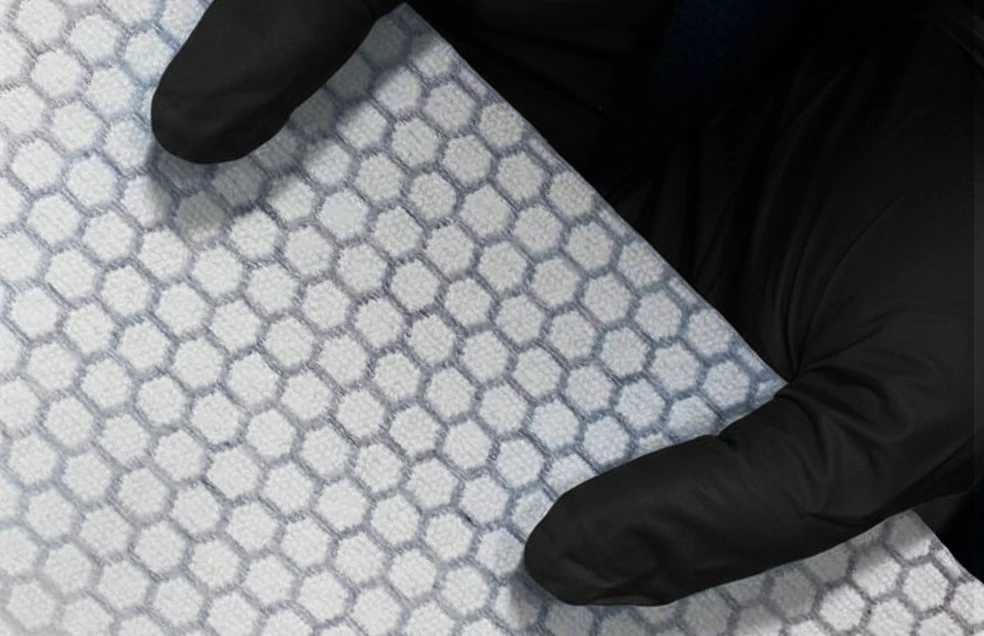
  • Nomex or Aluminium Honeycomb

  • Flexibel non-woven Foams for complex shapes

  • Rigid PMI & PVC (Rohacell and MyCell) and PET Foam

Additive-manufactured masters and tooling for composite production

How can 3D printing and carbon fiber materials be effectively combined?

At our company, it has become standard practice to use 3D-printed master patterns or molds for the production of carbon fiber components. This approach not only significantly reduces manufacturing costs but also shortens production lead times. We introduced this method to make one-off parts and small-series production economically viable — without compromising on quality or performance.

3d printed composite mold for carbon fiber production

Completed plug for composite tooling.

Large scale 3d printed mold for composite manufacturing.

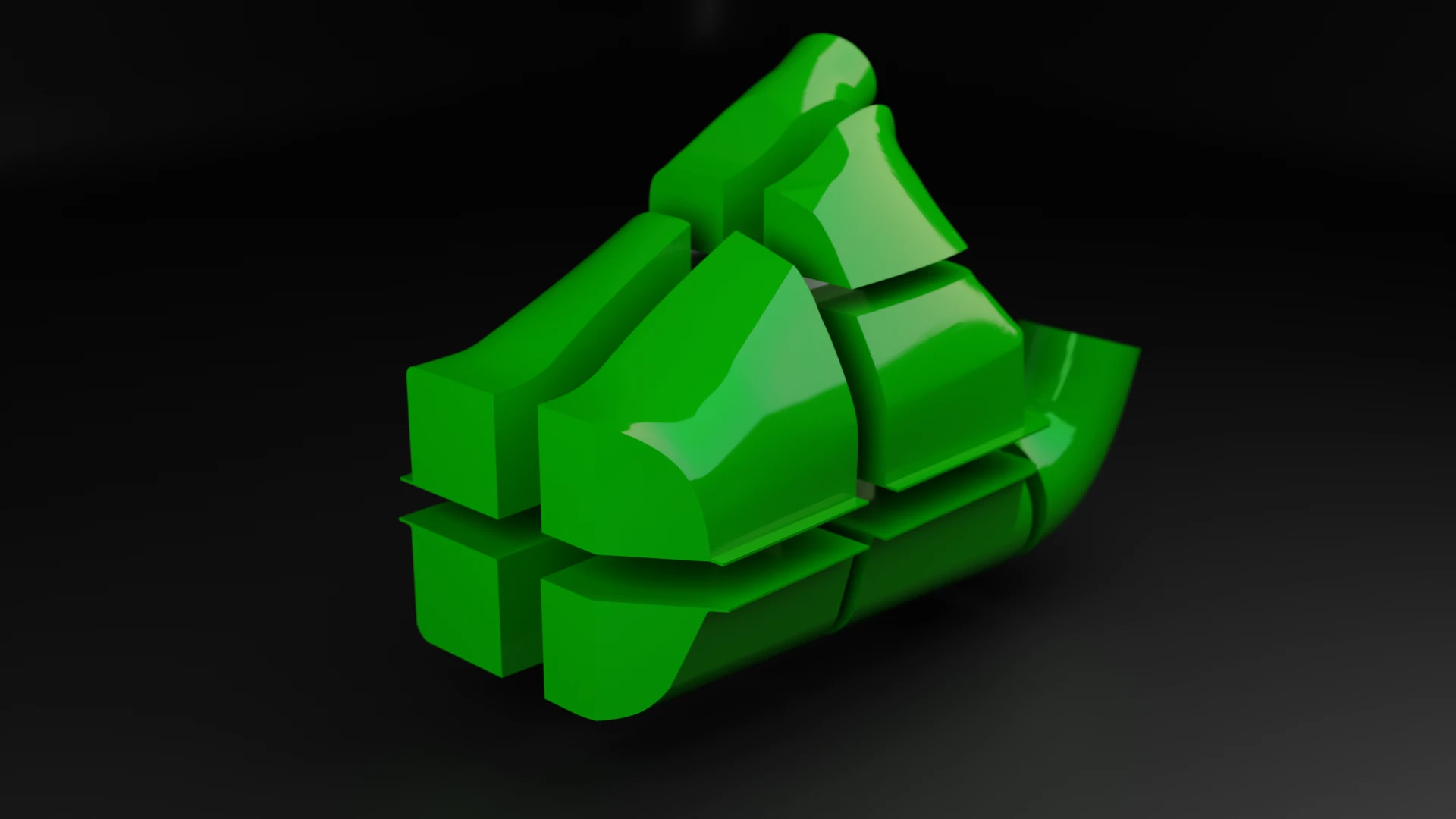
Sliced geometry for 3D printing, with connectors for precise alignment.

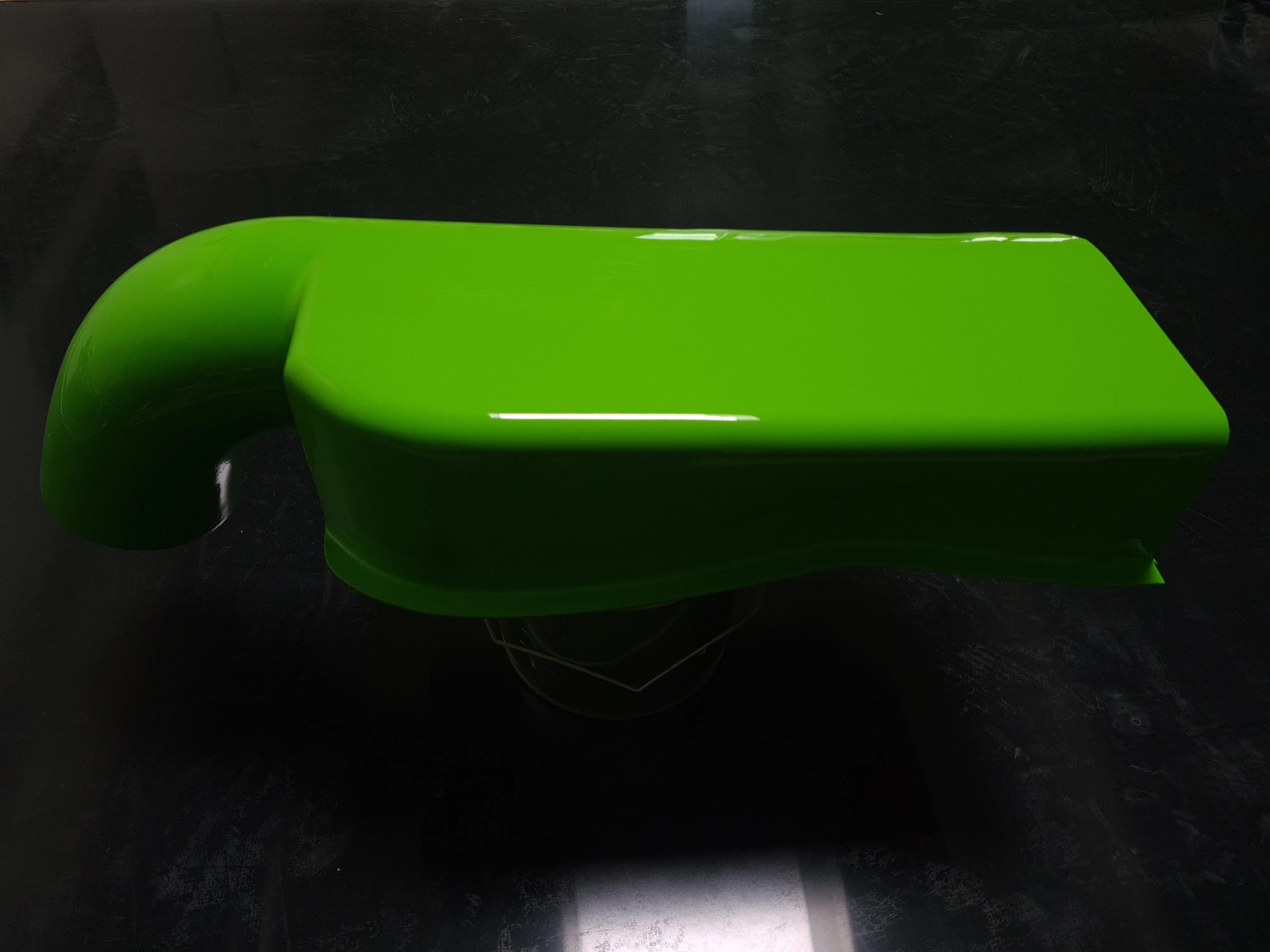
Carbon fiber intake made with 3d printed mold

Completed carbon part prior to machining.

Want to know more? Let’s talk!

The world of composites is extensive, so we help with a feasibility check to ensure we find the most optimal solution. Learn how we can bring your projects to life with advanced carbon solutions.

talk to a composite expert