Generate complex parts faster

Generative design: streamlining design processes

Advanced computational design

What is generative design?

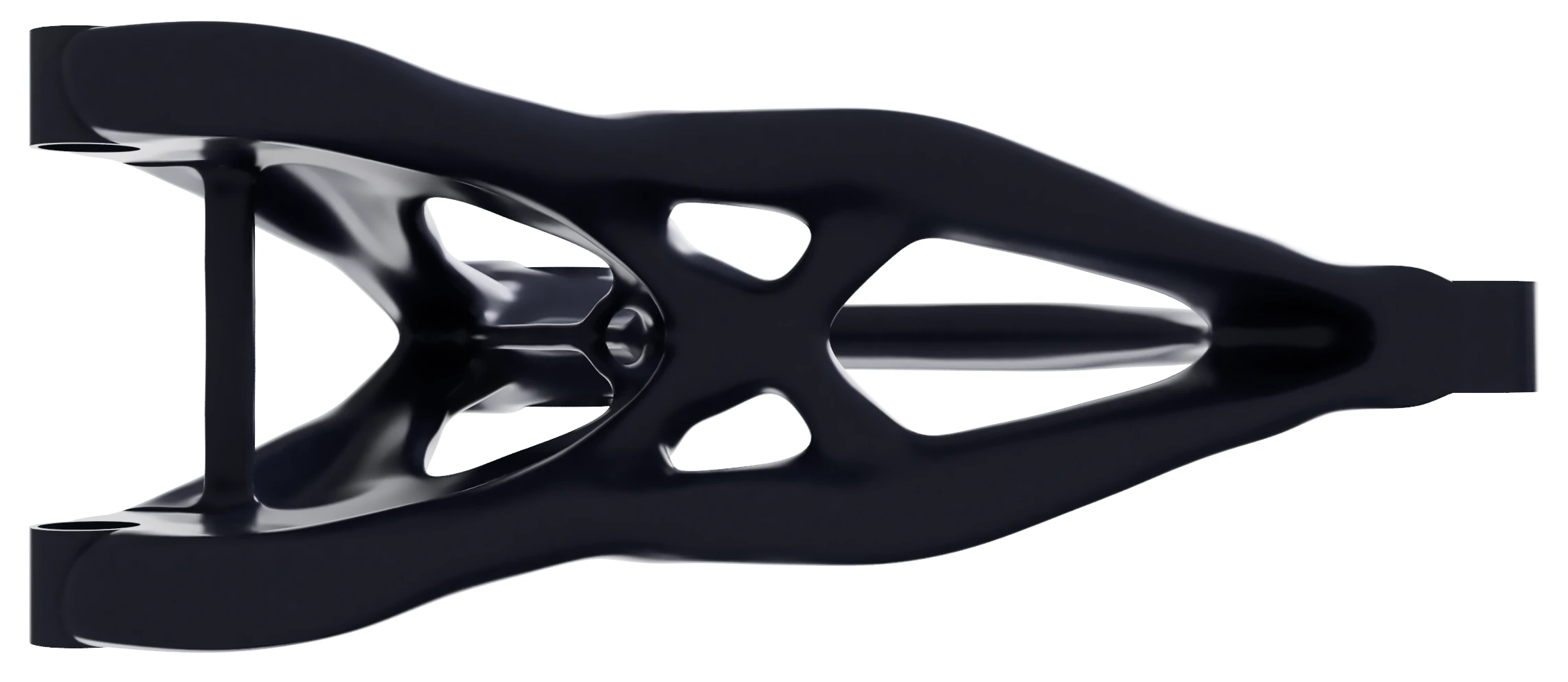
Generative design is a computational design approach that uses algorithms, often enhanced with AI, to explore numerous potential solutions based on engineering constraints and performance goals.
How it works

Key steps in the design workflow

Define design goals and boundary conditions

Engineers specify constraints such as load, material, and manufacturing methods, along with performance targets like weight, stiffness, or safety factors. These inputs guide the algorithm to generate optimized design options that meet the project’s requirements.
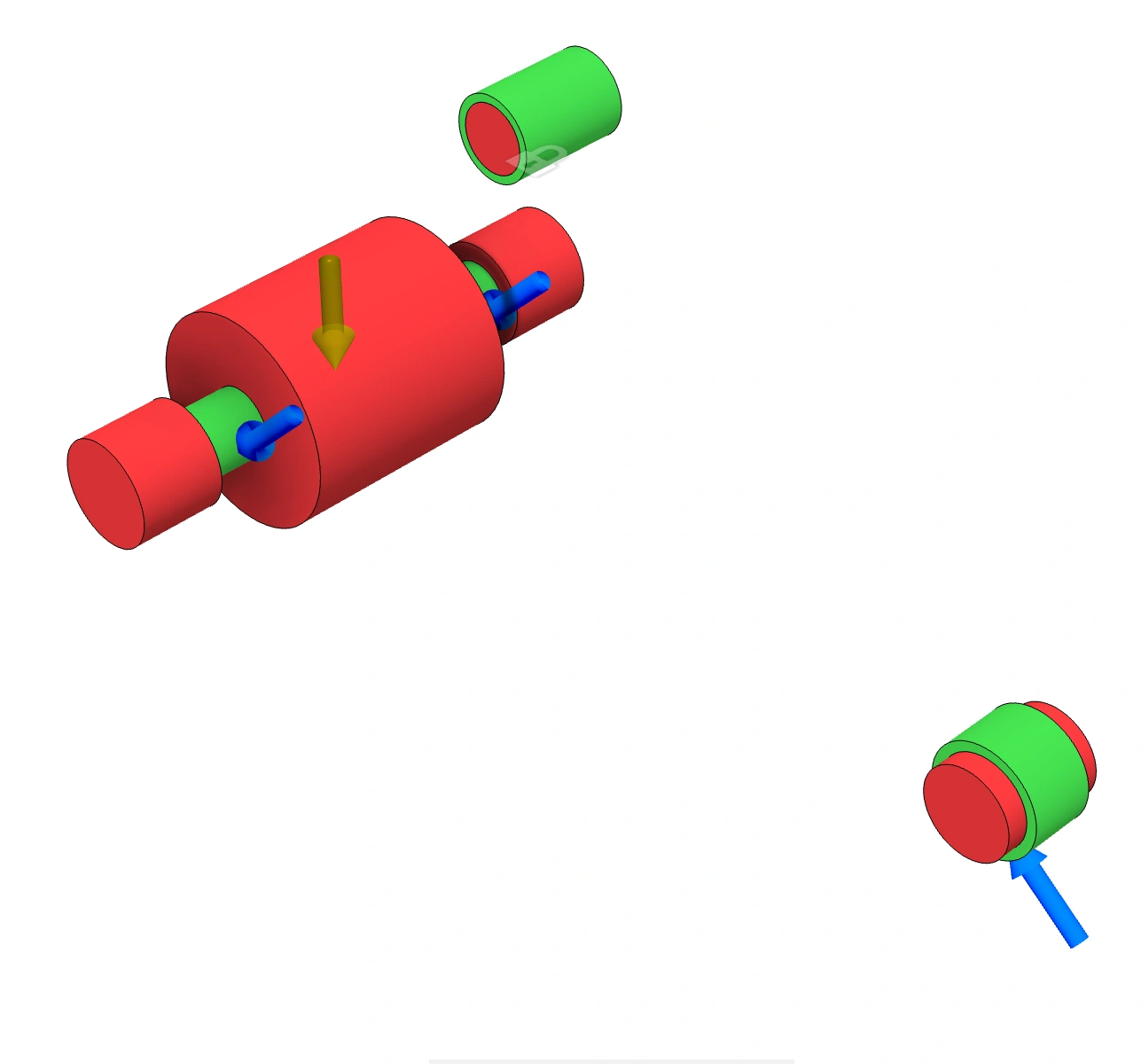
Generative design boundary conditions
Boundary conditions and obstacles

Filter and evaluate design variants

The generated design variants are evaluated against the defined goals and constraints. Each option is analyzed for factors such as strength, weight, and manufacturability. This assessment helps identify the designs that best meet performance and production requirements.
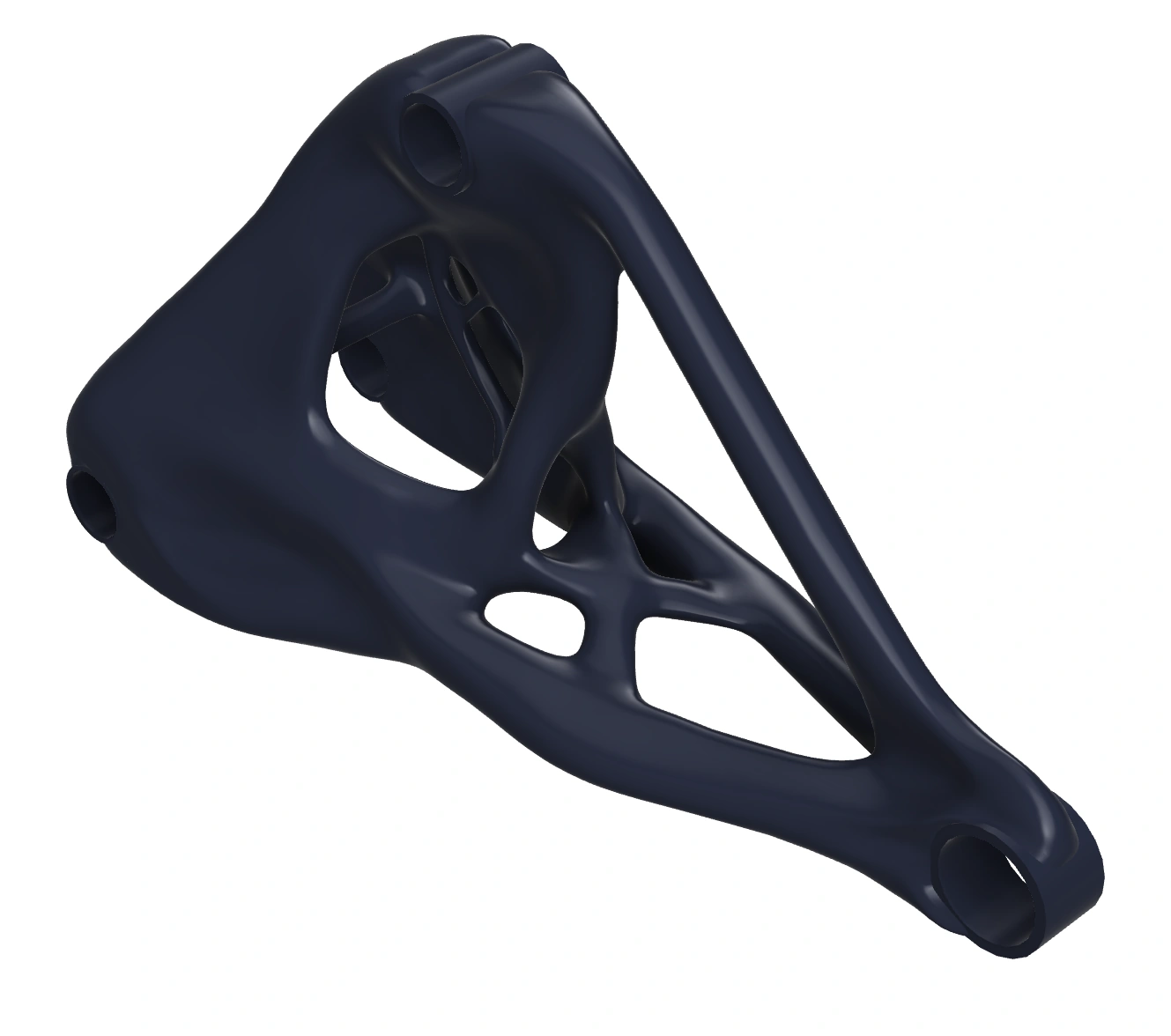
Generative design lever
Chosen design from the generated set

Simulate and validate final design

In the final step, a validation simulation is performed to ensure the part meets all requirements. For more complex projects, additional physical testing may be conducted, which we can also carry out through our trusted partners.
Generative design structural simulation
Final design validation before manufacturing

Benefits of generative design

Complex designs, inspired by nature

Generative design expands the possibilities of traditional engineering by creating innovative design options that may not be obvious using conventional approaches.

Maximizing material and cost efficiency

It provides optimal material distribution by taking loads into account, often resulting in up to 40% weight reduction and cost savings, especially for expensive materials like Inconel or titanium.

Speeding up product launch

Automatic design generation significantly shortens product iterations. There’s no collapsing feature tree—just efficient, streamlined design.
Additive manufacturing | CNC machining | Die casting

Identify optimal manufacturing options for performance-driven models

Don’t get locked into a single manufacturing method. We explore different technologies tailored to your system’s requirements. For highly complex parts, additive manufacturing is often the best choice due to minimal geometric limitations. If cost is a concern, alternative methods such as die casting or 3- and 5-axis milling may be viable options.

Industries served

Automotive

Aerospace

Architecture

Motorsport

Want to know more?

Contact us and discover how our generative design expertise can turn your concepts into high-performance, optimized solutions.

Get Started